
YouTube series “Chicken Shop Date” launched its first episode on Mar. 24. 2014, taking the idea of an “anti-interview” from a column in a Youth Magazine to an online show. Later, in 2015, the YouTube television show “Hot Ones” was started by Chris Schonberger, creator of the YouTube channel, “First We Feast.”
These two shows are an alternative form of interviewing celebrities and people in the public eye, utilizing food and humor as their most attractive features.
Both have gained popularity since their beginning and both have fried chicken in common as something the interviewer and the interviewee share.
“I feel like it’s a good way to get to know celebrities personally and especially some of the people you know online that are really popular,” Lily Thomas, sophomore, said.
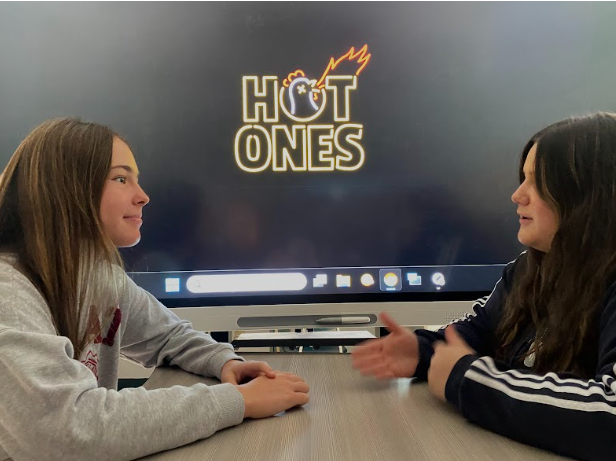
The concept behind “Hot Ones” is guests answering questions as they eat chicken with increasingly spicy hot sauce, resulting in many iconic pop-culture moments that have been shared across the Internet.
Schonberger wanted something that would take guests out of their comfort zone, to “disarm the guests,” Schonberger said in an interview with The Takeout.
The show has accomplished just that. The host, Sean Evens, is known for his complex and insightful questions. Paired with the pressure and stress from the hot sauce, many episodes have revealed genuine and humorous answers from guests, due to the sauce having the ability to pry raw and candid reactions.
“There are more genuine answers because it’s a challenge towards the person being interviewed with what’s at stake,” Thomas said.
A similar concept of using humor and food to conduct an interview is seen with Amelia Dimoldenberg’s “Chicken Shop Date.” The show was created and hosted by Dimoldenberg, interviewing celebrities through “dates” at various chicken shops.
The show itself gained popularity from its distinction from other forms of celebrity interviews and from Dimoldenberg’s dry, deadpan humor that elicits awkward but genuine interactions and responses. “The dry humor and awkwardness definitely brings out some organic emotions from celebrities,” Nancy Casanova, sophomore, said.
Dimoldenberg often attempts to flirt with her guests in the interview as a part of the date. However, what makes the episodes funny to viewers are the guests’ responses to her, often with rejection or another witty reply.
“Hot Ones” and “Chicken Shop date” are not the only ones of these types of channels. Similar amusing celebrity-interview focused shows and channels can be seen with Wired’s Autocompete Interview, Buzzfeed’s “Puppy Interview,” Vogue’s “What’s In My Bag?” and “celebrity ASMR” from W Magazine.
“They’re [the shows] different because they use some more fun aspects to attract the audience further,” Thomas said.
These shows blur the lines between journalism, entertainment and promotion. Good marketing not only for the guests but also promotion for the show as it showcases guests with more popularity.
For example, Dimoldenberg has experienced more success in her career through the acclaim the show has received. Dimoldenberg has been seen interviewing celebrities on the Oscar’s red carpet in 2025,bringing back flirtatious interactions with previous guests of her show such as the viral recurring interviews with Andrew Garfield.
One way these shows might expand their viewership would be through the inclusion of other figures in the public eye as opposed to just media personalities and celebrities.
“If they branched out to like politicians or scientists, people like that, you might be able to get to know them on a personal level,” Thomas said.
The interviews may provide a way for them to share more sincere or personal information as opposed to the heavy questions these types of people usually get in their respective fields.
These online channels have opened a door to not only a new wave of entertainment but a new way to bring information to the public. A trend of additional shows like this is on the rise and new ideas are continuing to stem from them.