
The month of Nov. celebrated Native American Heritage by honoring those who share the culture and practices of the tribes.
In 1915, the Congress of American Indian Associations made efforts to create “American Indian Day” to honor and commemorate this shared heritage.
By the early 90s, President George H.W Bush declared the entire month of Nov. “National American Indian Heritage Month”. The goal was to raise awareness about Native American people, celebrate their accomplishments and become educated on the hardship they endured.
“Today we reaffirm our support for increased Indian control over tribal government affairs and we look forward to still greater economic independence and self-sufficiency for Native Americans,” Bush’s 1990 proclamation stated.
Because of this bill, Nov. is now recognized as the month that celebrates Native American Culture in the U.S.
Jupiter Fla. has an extremely rich history regarding the tribes that once lived among the land. The area was inhabited by a group called the Jeaga tribe and a subgroup known as the Jobe.
The Jobe tribe thrived off the resources that nature supplied them. To survive the harsh, humid Fla. summers, they navigated through the waterways where they hunted deer, manatees and sharks.
Many Jupiter residents lack the knowledge on how their town began, the stories behind it and the people who lived here long ago.
“Gateway to the Loxahatchee River, prehistoric and historic habitation has occurred along the Loxahatchee dating as far back as the Archaic Period over 5,000 years ago,” discover.pbc.gov said.
Part of Riverbend Park, the Loxahatchee river, features proof that native people roamed the land and were once the people who owned the area.
“One is the skull of a deer that is embedded with a broken-off arrowhead. Carr said the skull dates back 2,000 to 2,500 years and offers proof that indigenous people were in the area that far back,” The Palm Beach Post said.
These relics prove that not only did they live on the land they made use of the resources they had around them.
The land inhabited by the indigenous people now lies a battlefield blooming with stories of war and freedom. While it may seem hard to believe something so extraordinary is amongst us, it’s in the heart of Jupiter Farms, Riverbend Park.
“The conflict that spread to the banks of the Loxahatchee River ramped up on Christmas Day 1837. Gen. Zachary Taylor, eventually America’s 12th president, commanded a military force that struck Seminole encampments at Lake Okeechobee,” The Palm Beach Post said.
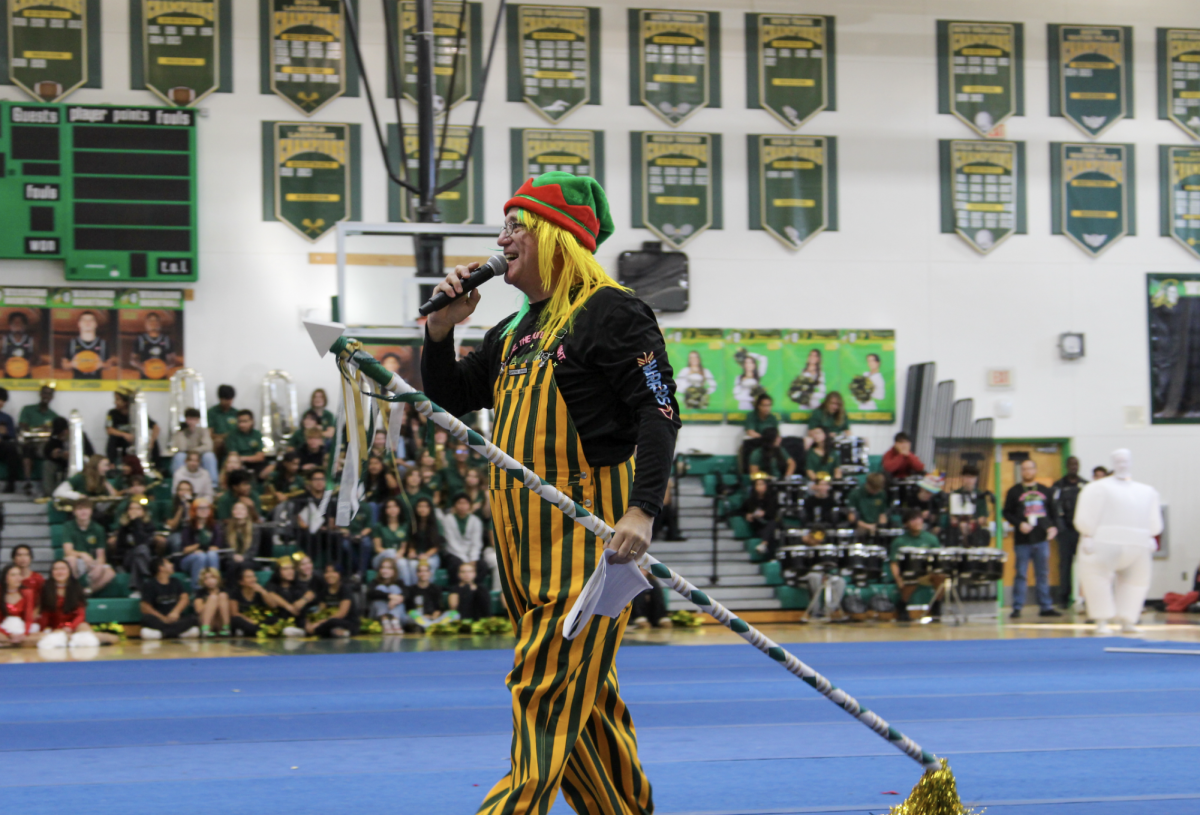
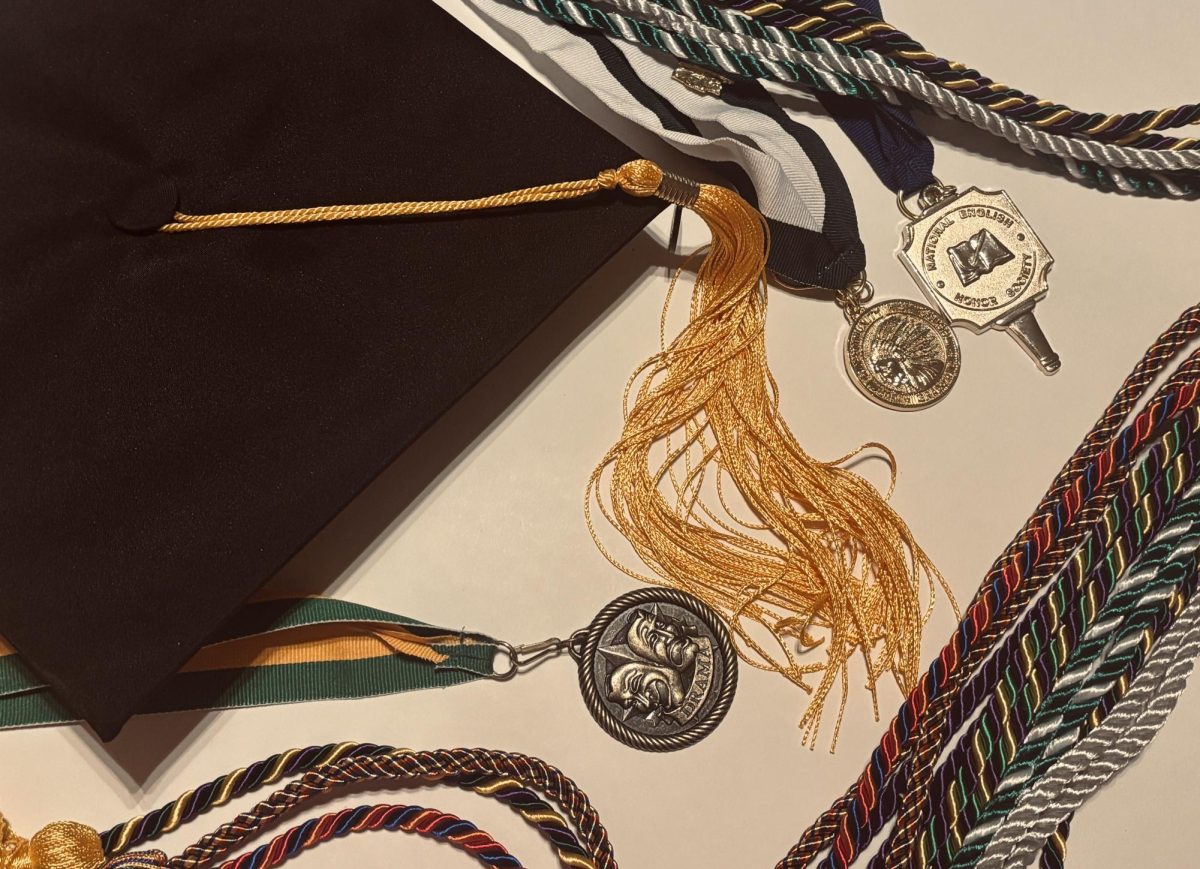
Native American people have a deep history here in Jupiter, Fla. and their influence is still visible today. So much so that Jupiter High School’s mascot represents them and aims to serve as a reminder that the land that we live on holds thousands of years of memories.
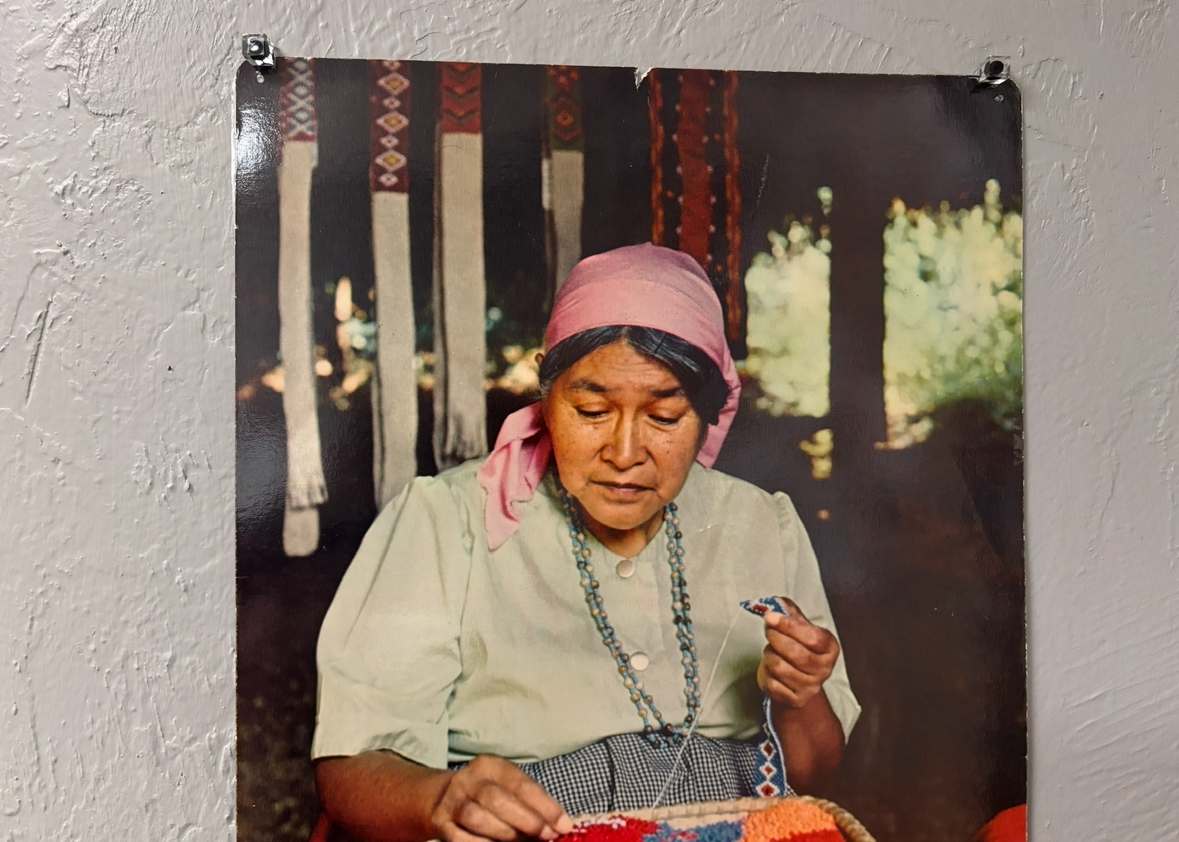
Indigenous culture is incredibly rich and still flourishes today, yet it is often taught as if it were ancient history. As a result, many people continue to misinterpret Native culture as something belonging to the past rather than something that is still evolving and actively shaping communities.
“Many people think of Native peoples only in terms of early history, like the colonial period or the ‘Wild West,’ and don’t realize that Indigenous communities are still very much alive today,” Casey Runner, a member of the Eastern band of Cherokee Indians, said.
These thoughts have real impacts and aren’t just misleading, they silence Native voices. Having an understanding of indigenous communities also means recognizing the hardship they faced and avoiding oversimplifying their struggles.
“One of the most meaningful ways non-Native students and educators can show respect for Native cultures year-round is by approaching Native history, traditions and contemporary issues with a mindset of learning rather than assuming,” Runner said.
This way of thinking is essential and encourages students to become more educated which can lead to an increase in empathy and overall support for the community.
Runners own heritage is a reflection of the resilience and depth of Native communities. “I am a member of the Eastern Band of Cherokee Indians. I grew up on the Qualla Boundary, which is often referred to as the Cherokee Indian Reservation in Cherokee, NC. My dad is Cherokee. I am also Osage and Pawnee from my mom’s side,” Runner said.
With roots of blooming history, her family is a blend of two different tribes each containing stories and practices different and unique from one another.
“My great-grandmother was the first of ten children to graduate college. She became the first registered nurse for the Eastern Band of Cherokee Indians and later advocated for the hospital in Cherokee, which opened in 1937 and is still thriving today,” Runner said.
The legacy withholds years of dedication to helping others and continues to shape her values highlighting the importance of service.
Her story also reflects broader challenges that Native communities have faced. Indigenous people have had to navigate centuries of ethnocentrism, when one believes that their culture is superior to another, and attempts of assimilation. Despite the obstacles at hand, many communities, including Runners, have preserved their tradition and continue to grow.
Acknowledging this history, however harsh, leads to a better understanding one step at a time because many peoples ideals of Native American people are based on harmful stigmas and how the media portrays them.
“I wish more people understood that Native American identity is alive and diverse today. It’s not just history or stereotypes—Native people are part of modern communities, contributing in every field while maintaining their unique cultures, languages and traditions,” Runner said.
Categorizing Native American tribes into one group is degrading to those tribes because each tribe has its own unique identity with so much depth and diversity.
Learning about Native American culture means recognizing the values and customs of many of these families. The importance of respecting your elders, caring for nature and dedication to your community are just some of the many core beliefs.
Indigenous culture is far from a relic, it is alive today and very diverse. Understanding these traditions is not just about the history, it is about the contributions made and the hardships persevered.
“I want them to understand that Native American history is not just part of the past, but an ongoing story of resilience, identity and community. I would love for students to walk away with an appreciation for cultures other than their own and an understanding of why equity and representation matter in education and society,” Runner said.