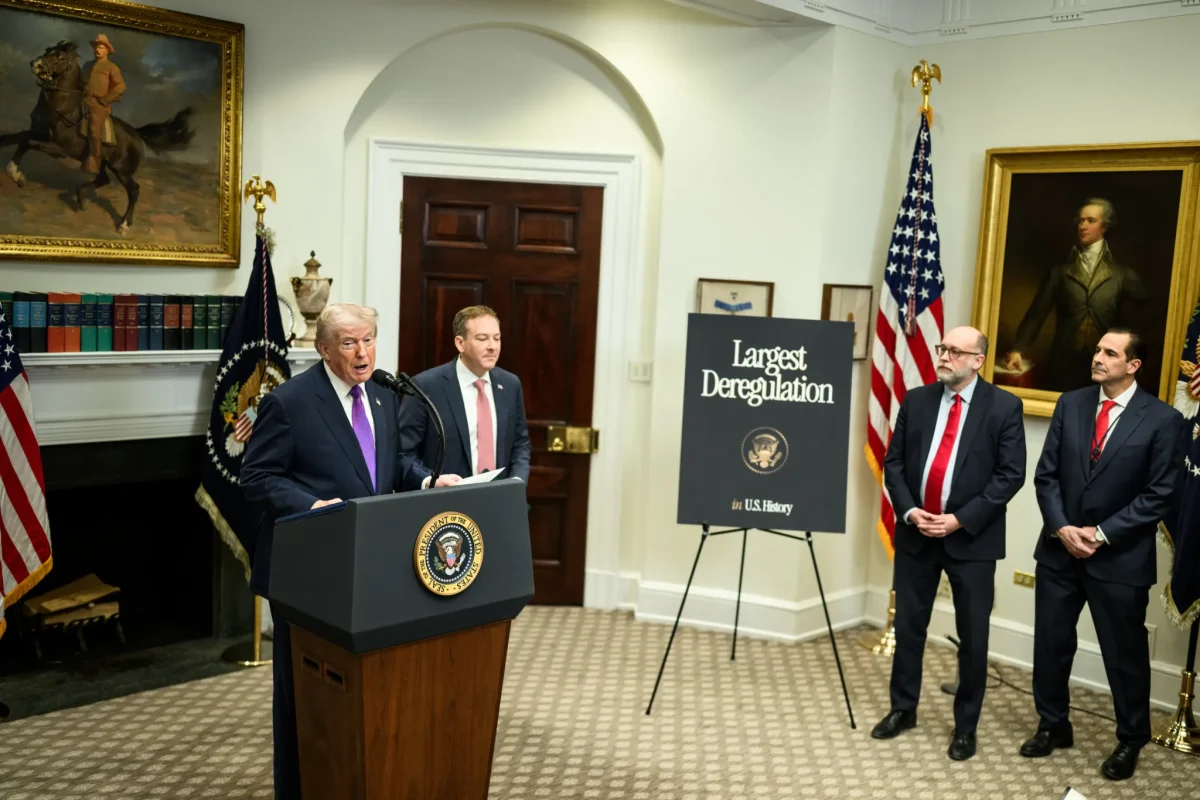
The “Endangerment Cause or Contribute Findings for Greenhouse gases Under Section 202(a) of the Clean Air Act,” often referred to as “the Endangerment Act,” was repealed by President Trump on Feb. 12, 2026.
This law, implemented by the Environmental Protection Agency (EPA) in 2009, legally regulates the emissions of greenhouse gases listed under the Clean Air Act.
The implementation of this law was driven by documentation of habitat loss, fragmentation and rapidly increasing extinction rates.
Emission standards for cars and limits for power plants are both works of the EPA under the Endangerment Act.
President Trump justified his decision to repeal the law by arguing that it was a “scam” that lacked scientific foundation and a genuine motive.
“This was all a scam, a giant scam,” President Trump said to a CNN reporter on Feb. 12, 2026.
The President also argued that these regulations inflicted unnecessary fines ranging up to one trillion dollars.
With the removal of this law, individuals will see a price drop of approximately $2,400 on car prices.
Although this institutes slightly lower car costs, critics argue that this removal will lead to significant negative health effects and environmental damage.
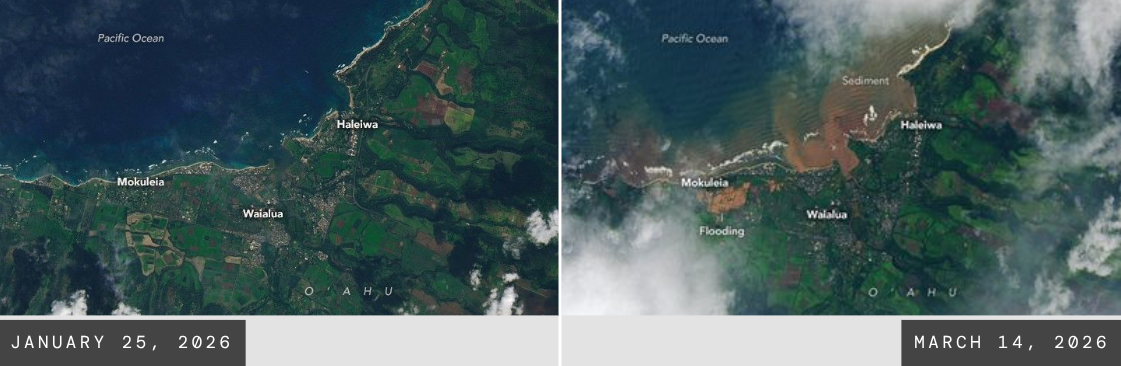
The unregulated emissions of these gases will worsen climate change, therefore increasing the frequency and severity of natural disasters such as tornadoes, wildfires, hurricanes and floods. While it is known that natural disasters significantly affect the lives of humans, animals and their habitats are typically affected to the same extent. Considering past natural disaster repairment costs, the cost of repairing these damages will likely be great.
This rise in pollution will lead to an increase in health issues, such as higher asthma rates, higher cancer rates and so on. A rise in health issues will evidently have its own cost as well.
The EPA stated that it will ignore the financial value of the human lives saved, heart attacks and strokes prevented, asthma averted, and other health effects prevented as a result of the regulations once set in place.
The Supreme Court has the authority to overturn President Trump’s repealment. Considering these deregulatory actions violate the policies under the Clean Air Act, it is possible that action will be taken soon to overturn this ruling.


Gianna Keller • Apr 8, 2026 at 10:26 pm
this article is very informative and has made me more aware of this new policy!