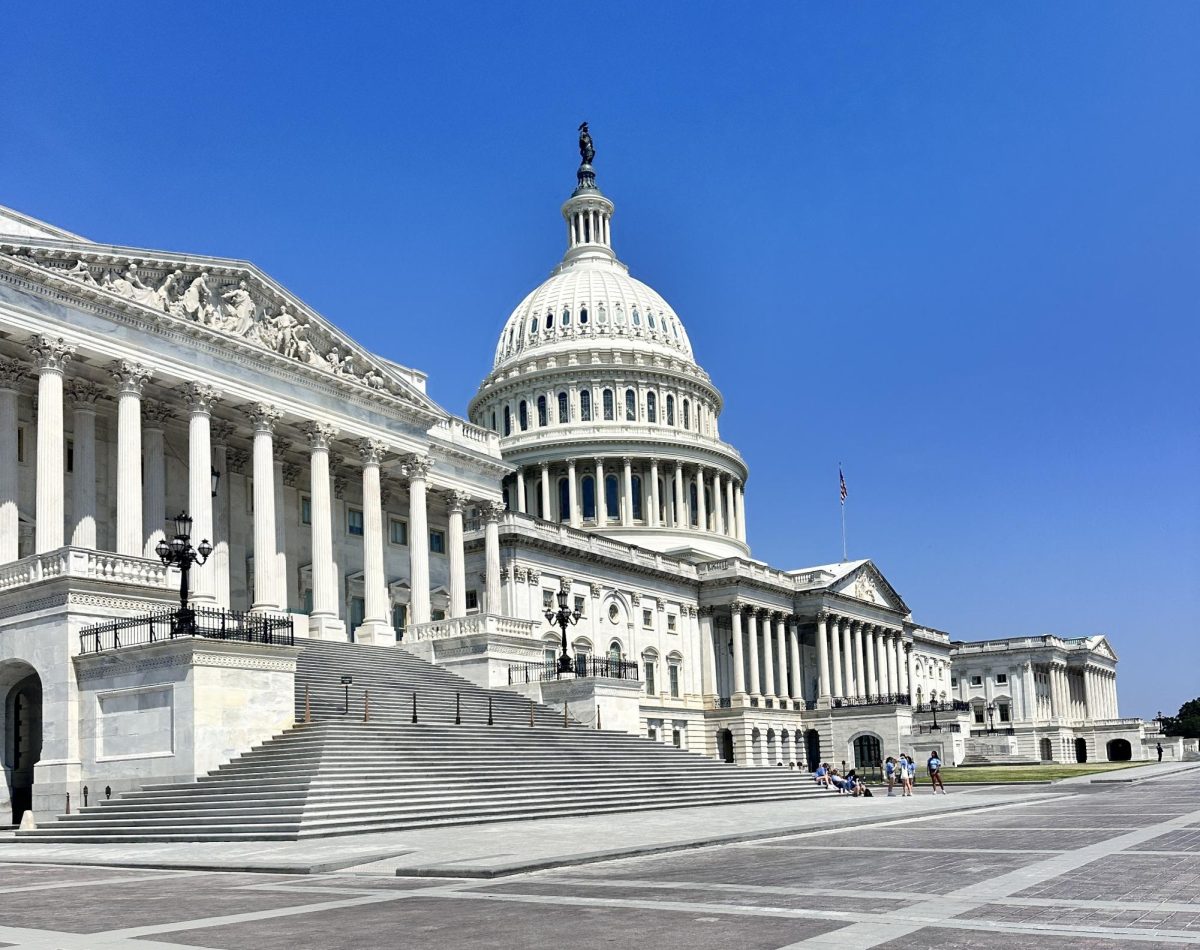
The United States government was shut down from Oct.1 to Nov.12, 2025. This being the longest shutdown in American history, rivaling previous 35 and 21-day-long shutdowns, both under President Donald Trump’s presidency.
The shutdown was caused by a budget deadlock. Congress was not able to reach an agreement over a government-funding bill before the deadline of Sept.30, 2025. Due to the deadline passing with no budget decided upon, many government agencies were no longer receiving funding.
The Senate was able to pass a bill titled “Continuing Appropriations and Extensions Act, 2026” on Nov. 9, marking the first step to ending the shutdown. The bill was then voted on by the House of Representatives and signed off by President Donald Trump on Nov.12, 2025, marking the end of the shutdown.
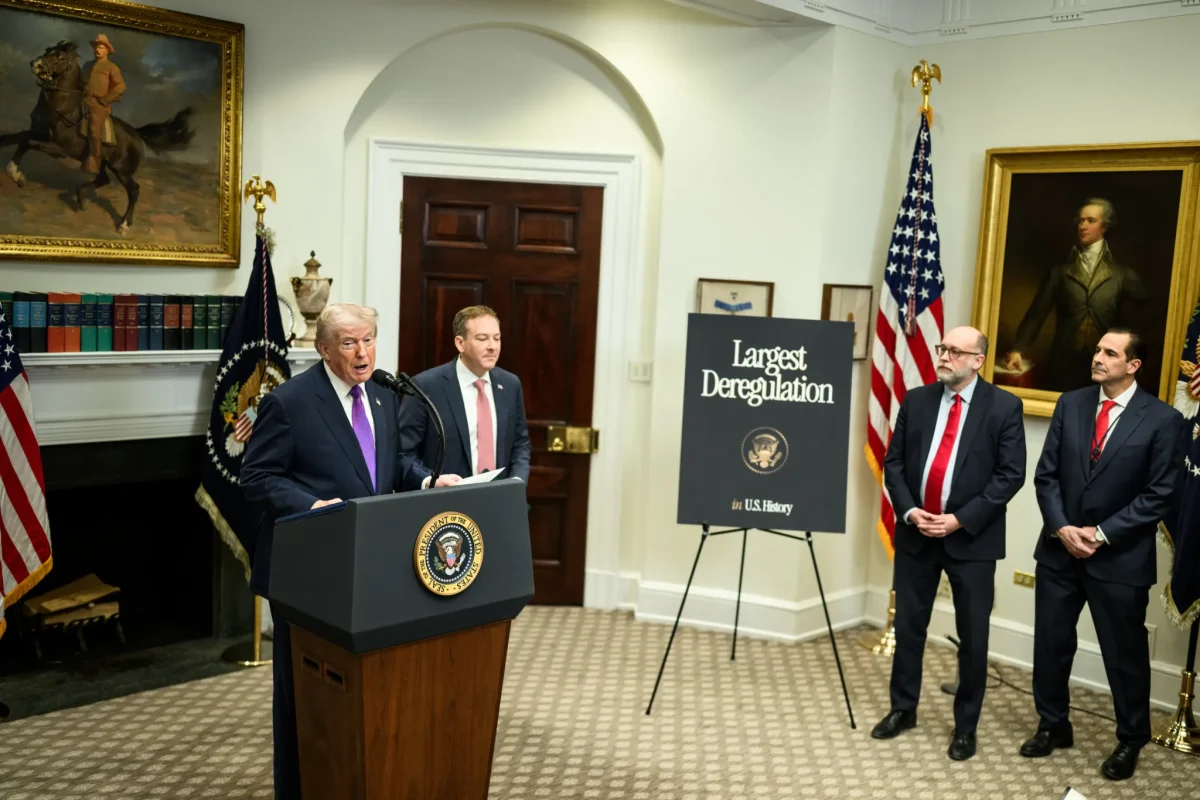
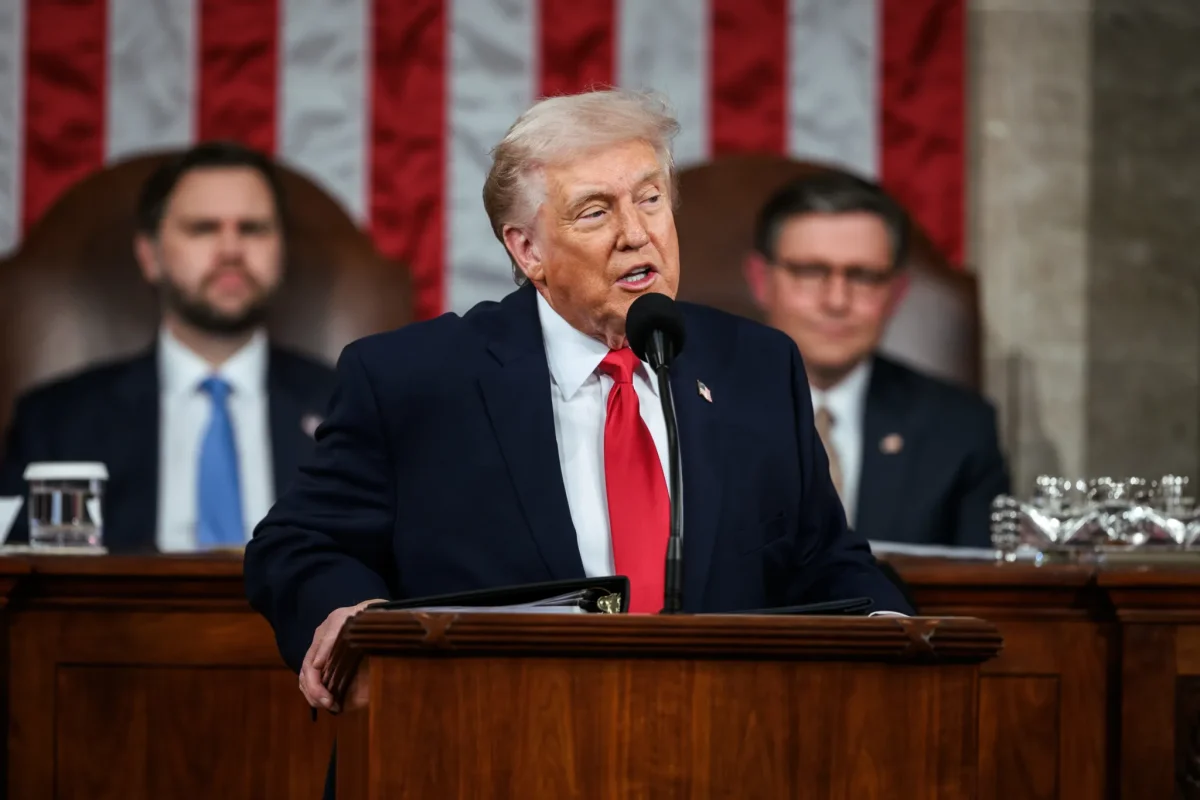
“With my signature, the federal government will now resume normal operations,” Trump said.
The shutdown caused agencies to cease to function properly for most of Oct. and into Nov., affecting the employees of those agencies and those they serve.
“There are nine federal departments affected by the Trump Shutdown: Homeland Security, Treasury, Agriculture, Interior, HUD [Housing and Urban Developments], Justice, Commerce, Transportation, and State,” U.S. Representative Jimmy Panetta’s website reported.
Many government employees in these departments were working without pay.
“At least 670,000 federal employees are furloughed, while roughly 730,000 continue to work without pay,” Bipartisan Policy Center said.
Some government employees called out sick as a protest to being forced to work without pay, including air traffic controllers and TSA officers, causing many flight delays and cancellations.
“After already canceling more than 7,900 since Friday [Nov.7, 2025], the goal for cutting flights is set to rise to 6% on Tuesday [Nov.11, 2025] – and again to 10% on Friday [Nov.1, 2024],” The Guardian reported, in an article discussing the US flight cancellations.
The bill itself covers funding for most federal agencies until Jan.30, and until Sep.30, 2026. It funds the Department of Agriculture, the Department of Veteran Affairs, the Supplemental Nutrition Assistance Program (SNAP), the Special Supplemental Nutrition Program for Women, Infants, and Children (WIC) and Congress.
States are ordered to be reimbursed for all federal payments made during the duration of the shutdown. The mass layoffs that occurred are to be reversed, and any new mass layoffs are blocked until January.
Despite the bill being passed, it will take time for the funding to get to its destination to bring those departments and agencies back to normal.
“Experts warn it could still take weeks for that money to actually reach people,” WCVB said when discussing SNAP in an article titled “When will key federal programs and services return to normal after the government reopens?” SNAP is a program that provides food assistance to low-income families in the U.S. by covering certain food costs. A reduction in its benefits has recently been caused by the government shutdown.
The USDA was court-ordered to use emergency funds for partial payments, but there is still uncertainty about how and when recipients will receive benefits.
“But after 43 days on pause, things may not return to business as usual right away. For instance, federal workers are still awaiting backpay and air travel disruptions are expected to linger,” NPR said.
Many U.S. citizens are dependent on this bill. Despite its intention, it will take time for things to become back to normal.